
lightweight-wheelchair-ramps0524
lightweight-wheelchair-ramps0524
The Benefits Of Ramps For Wheelchairs At A Minimum, Once In Your Lifetime
The Ultimate Guide to Removable Ramps for Wheelchairs
As society approach inclusivity, the requirement for accessible living areas has ended up being more pronounced. For people who depend on wheelchairs, removable ramps serve as vital tools to navigate different environments. This extensive guide explores the significance of removable ramps, their benefits, types, and regularly asked questions, all provided with clarity to make sure that anybody, no matter their familiarity with the subject, can comprehend their significance.
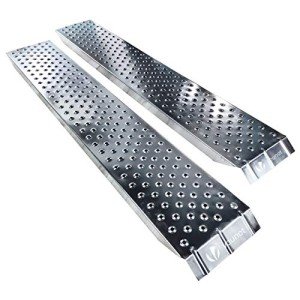
Understanding Removable Ramps
Removable ramps are Portable Ramps For Wheelchair Access, lightweight structures created to assist wheelchair users in getting rid of obstacles such as stairs, curbs, and entrances. Unlike irreversible Portable Ramps For Steps, these can be taken down and transferred easily, making them perfect for temporary use in homes, public places, or events.
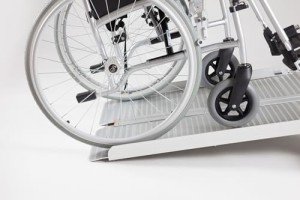
Secret Features of Removable Wheelchair Ramps
| Function | Description |
|---|---|
| Product | Frequently made from aluminum, plastic, or wood, guaranteeing durability while being lightweight. |
| Mobility | Easy to move and keep, making them ideal for various usages and locations. |
| Adjustability | Some models can be adjusted in height or length to accommodate various barriers. |
| Weight Capacity | Many ramps can support weights differing from 300 to 800 pounds, accommodating a wide range of wheelchairs and users. |
Advantages of Using Removable Ramps
The benefits of removable wheelchair ramps extend far beyond mere accessibility. Here are a number of essential advantages:
-
Flexibility: Removable ramps can be utilized in several locations, whether it be at home, work, or during outings.
-
Affordable: Investing in removable ramps can be cheaper than building permanent ramps, particularly for tenants who can not modify their homes.
-
Safety: They supply a safe solution for wheelchair users to browse unequal surface areas, lowering the danger of accidents or falls.
-
Variety of Options: Available in different sizes, weights, and materials, permitting users to find the perfect suitable for their requirements.
-
Storage: When not in use, removable ramps can be quickly kept, maximizing space.
Kinds Of Removable Ramps
Here’s a breakdown of the most common types of removable ramps readily available:
| Type | Description | Suitable Use Case |
|---|---|---|
| Folding Ramps | Compact, versatile ramps that can be folded for storage. | Suitable for lorries, home use, and travel. |
| Telescoping Ramps | Adjustable ramps that can be extended or shortened. | Appropriate for differing heights and limits. |
| Strong Ramps | Non-folding, tough ramps that provide a continuous surface area. | Best for long-term setups in temporary environments. |
| Limit Ramps | Short, often lightweight ramps designed for entrances. | Perfect for navigating curbs or doorsteps. |
Choosing the Right Removable Ramp
When choosing a removable ramp, several factors ought to be taken into consideration, including:
-
Weight Capacity: Ensure the ramp can support both the user and their wheelchair.
-
Length and Width: Measure the height of the action or threshold and choose a ramp that supplies an appropriate incline.
-
Product: Decide in between choices like aluminum for portability or a more solid material for stability.
-
Portability: Evaluate how far you will require to carry the ramp and select one that fits your requirements.
-
Storage: Consider the area readily available for storing the ramp when not in use.
Extra Considerations
Security Features
When purchasing removable ramps, safety should be a leading concern. Functions to consider include:
-
Non-Slip Surface: Ensures traction for Wheelchair Ramp Portable wheels throughout use, particularly in damp conditions.
-
Side Guards: Prevents the wheelchair from rolling off the edge.
-
Resilience: Look for products created to hold up against outdoor conditions if required.
Setup
Although removable ramps are developed for ease of use, some may need very little assembly. Constantly review the maker’s standards before use.
Regularly Asked Questions (FAQs)
1. Are removable ramps pricey?
Costs can vary significantly depending on the size, material, and brand. Removable ramps may range from ₤ 100 to ₤ 700, making them an economical choice compared to customized, long-term ramps.
2. How do I keep removable ramps?
Keep ramps clean and devoid of debris. Frequently look for signs of wear or damage, particularly if used outdoors, considering that weather conditions can impact stability.
3. Can a single person established a removable ramp?
Yes, a lot of removable ramps are lightweight and developed for simple setup by a single person. Nevertheless, it is recommended to have support when lifting much heavier designs.
4. Will a removable ramp work for my wheelchair?
Many removable ramps work with standard wheelchairs and scooters. Always validate the weight capacity and measurements to guarantee compatibility.
5. Exist regulations regarding ramps in public areas?
Yes, the Americans with Disabilities Act (ADA) details particular standards for accessibility, including Portable Ramp requirements. If you prepare to utilize ramps in public areas, ensure they abide by local policies.
Removable ramps for wheelchairs are not just practical tools; they represent a society pursuing accessibility and inclusivity. From improving mobility to supplying security and benefit, the value of these ramps can not be overemphasized. As the market continues to develop, users will find much more ingenious options customized to their needs, guaranteeing that everyone can navigate their world with self-confidence and ease.
When choosing a removable ramp, remember to assess individual requirements and consult guidelines to make the most of security and functionality. The ideal ramp can open doors– literally and figuratively– permitting users to experience liberty and independence in their lives.